
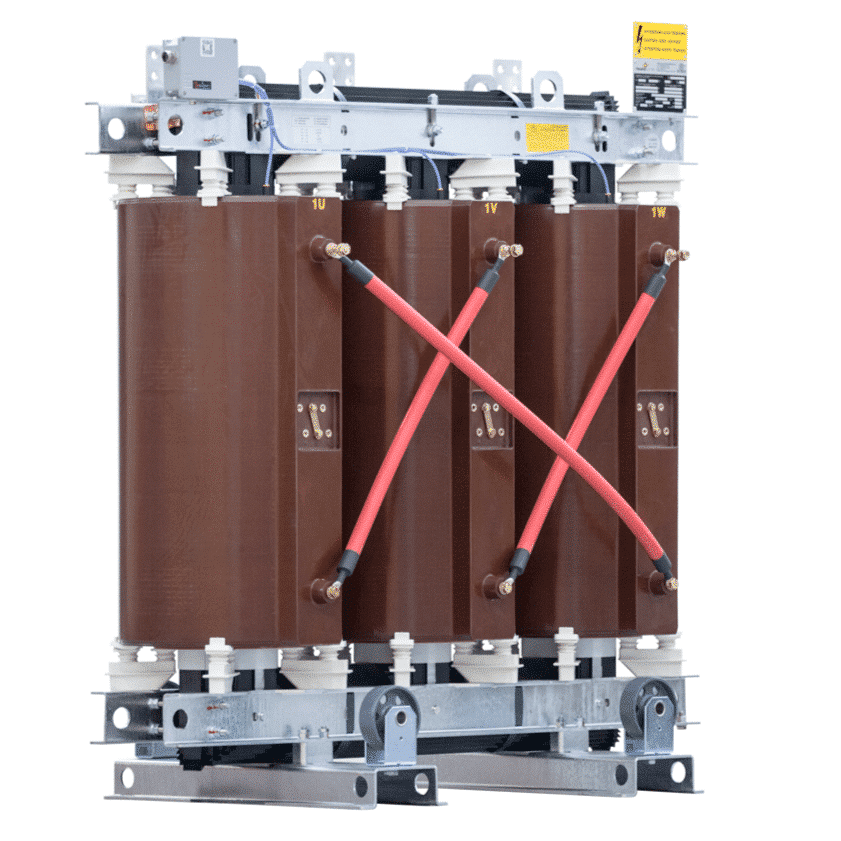
Ensuring service continuity while providing maximum safety for critical installations requires highly technical equipment.
At the heart of this approach, cast resin dry-type power transformers effectively replace traditional oil-immersed technologies for many demanding applications. By eliminating flammable dielectric liquids in favor of high-performance solid insulation, these transformers comply with the strictest standards.
At Synerdis, we support your electrification projects with reliable solutions designed for long-term performance and seamless integration into your existing infrastructure.
Showing all 9 results
-
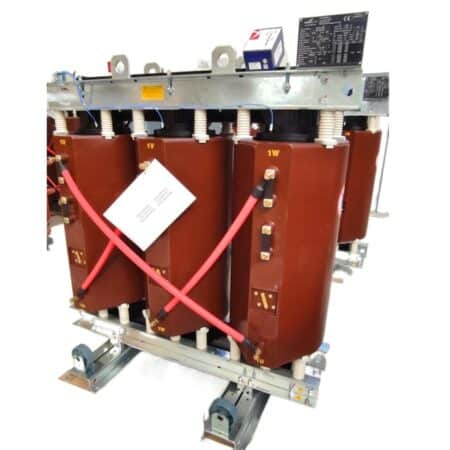
ECODIS-BI1520™ Dry-type transformer for dual voltage MV/LV distribution
0,00 € -
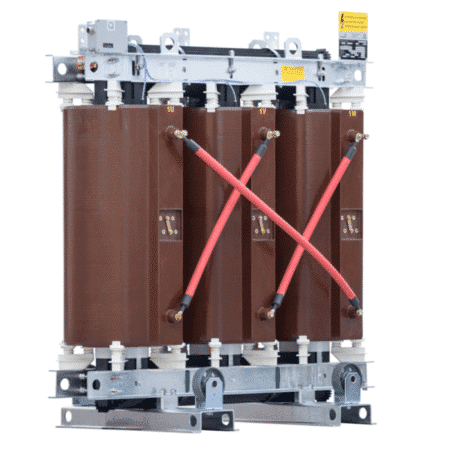
ECODIS20 Dry-type transformer for MV/HV standard distribution
0,00 € -
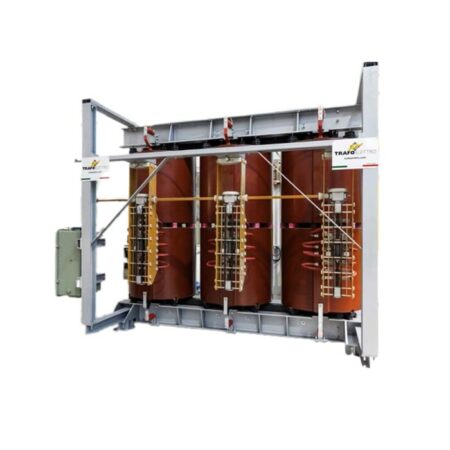
ECOTRAFO-SP Dry-type transformers for special HV/LV distribution
0,00 € -
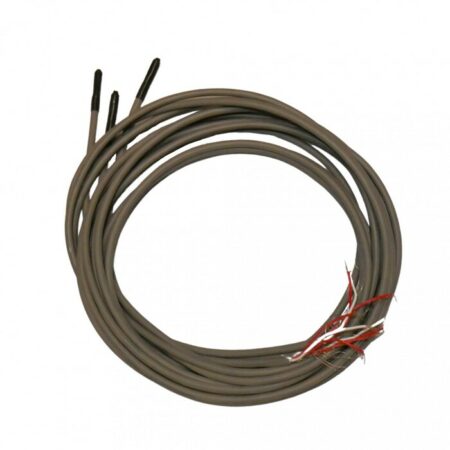
PT100 Sensor for T154 digital relay
0,00 € -
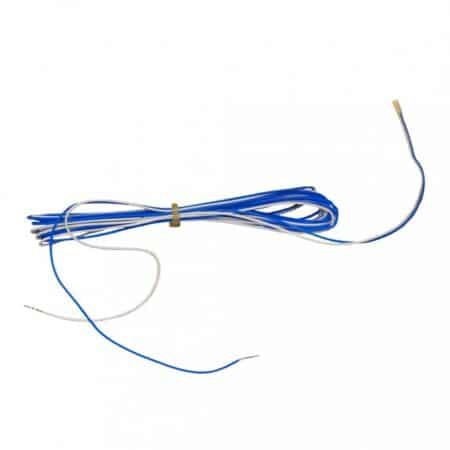
PTC Sensor for T119 protection relay
0,00 € -
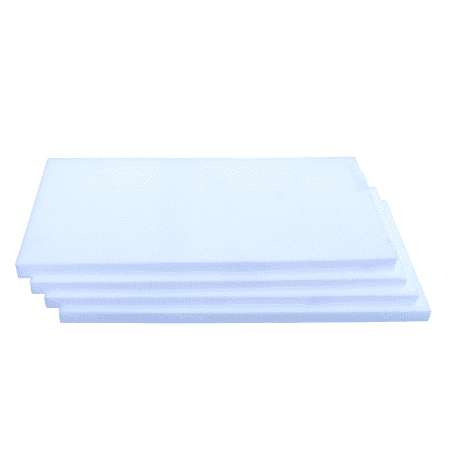
PTFE Teflon plates for electrical insulation
0,00 € -
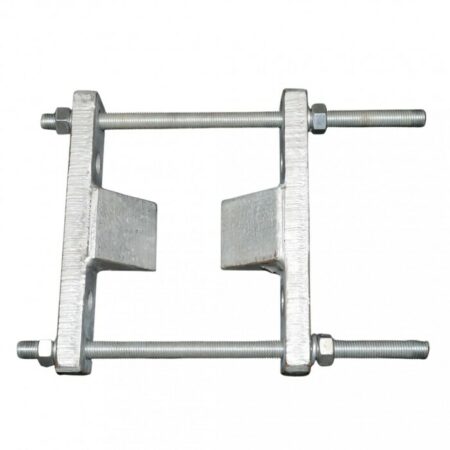
SANERBLOCK Locking brackets for transformer wheels
0,00 € -
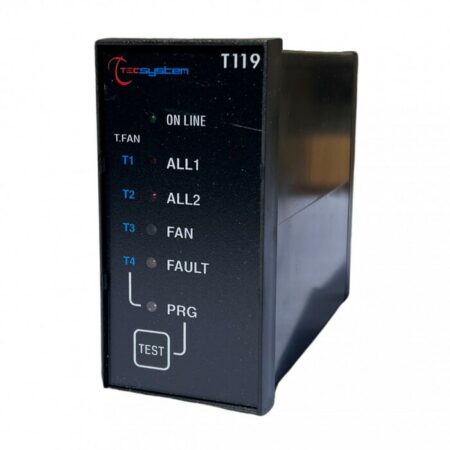
T119 Protective relay for encapsulated dry-type transformers
0,00 € -
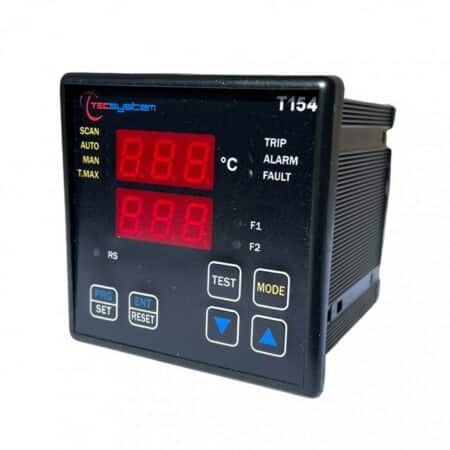
T154 Temperature control relay for encapsulated dry-type transformers
0,00 €
Principle and Technology of Cast Resin Dry-Type Transformers
The design of a modern transformer relies on mastering thermal and dielectric constraints. Unlike conventional oil-immersed models cooled by insulating liquid, the dry-type transformer uses natural air cooling and solid insulation to contain medium voltage.
Self-Extinguishing Resin and Operating Principle
The core technology of these transformers lies in the use of an epoxy resin transformer. High-voltage windings are vacuum-cast in resin through a rigorous process that guarantees complete impregnation and eliminates air bubbles, which are potential sources of partial discharge.
This casting process provides excellent mechanical strength against electrodynamic stresses, particularly during short circuits.
We prioritize Class F or Class H resin mixed with quartz or silica powder. This composite provides high thermal inertia and exceptional resistance to aging. Often referred to as an oil-free transformer, insulation is ensured by this solid, inert and stable material.
Operation is quiet and requires no heavy maintenance on the active part, making it a strategic choice for operators aiming to reduce operational expenditure (OPEX).
Differences from Oil-Immersed Transformers
The fundamental distinction with oil-filled transformers lies in environmental management. Oil-immersed units require regular monitoring of dielectric liquid level and quality, as well as complex safety devices (DGPT2 relay, oil containment pit).
In contrast, a dry-type electrical transformer eliminates these constraints.
The absence of liquid removes the risk of leakage and soil contamination. Furthermore, dry technology better withstands temporary overloads thanks to the high thermal time constant of cast windings. It is a robust solution particularly suited for indoor environments or locations with difficult maintenance access.
Fire Safety and Installation Compliance
Fire Risk Reduction
In public buildings and sensitive industrial sites, using a fire-safe transformer is essential. The epoxy resin used for encapsulation contains additives that make it self-extinguishing. In the event of an internal arc or external heat source, the material does not propagate flames and self-extinguishes once the heat source disappears.
Our transformers comply with climatic, environmental and fire behavior classifications (E2, C2, F1).
The F1 classification specifically certifies that the transformer emits very limited toxic or opaque smoke, facilitating evacuation and emergency response in case of fire within technical rooms.
No Oil and No Containment Pit
One of the major logistical and economic advantages is the ability to install a transformer without an oil containment pit. Since there is no liquid to spill, there is no need for expensive civil works for oil collection or complex automatic fire-extinguishing systems typically required for mineral oil transformers.
This feature greatly simplifies installation in confined spaces, basements or rooftop installations. For a dry-type transformer project, this results in reduced footprint and simplified environmental compliance procedures.
Applications of MV Dry-Type Transformers
MV Distribution Substations and Networks
The MV distribution transformer is the fundamental building block of private and public networks. It converts medium voltage (typically 15 kV or 20 kV) to usable low voltage for end equipment.
Its reliability is critical for supplying residential districts, office towers and transport infrastructure.
In the tertiary sector, this equipment is widely installed. A transformer for public buildings (ERP – Establishment Receiving the Public) must comply with stringent standards, such as shopping centers, stadiums and airports where safety is non-negotiable.
Similarly, a transformer for hospitals ensures stable power supply to operating rooms and life-support systems without introducing fire risk within healthcare facilities.
Industry, Public Buildings and Sensitive Sites
Industrial environments impose specific constraints: dusty atmospheres, harmonic distortion, variable load cycles. A dry-type industrial transformer is designed to withstand these severe conditions.
These transformers are commonly used in petrochemical facilities, where explosion risk prohibits oil use, or in metallurgy plants.
More demanding applications such as railway traction transformers require high resistance to repeated short circuits and overloads. For defense, mining, marine or data centers, service continuity is ensured by a cast resin power transformer capable of supporting high and continuous energy consumption profiles.
Resin technology provides effective protection against humidity and salinity (E2 classification).
Available Voltage and Power Ranges
Voltage Range from 15 kV to 52 kV
Our offer covers all standard medium-voltage levels.
We commonly supply:
- 15 kV transformers
- 20 kV transformers
For industrial or specialized networks, higher voltages are required:
- 24 kV transformers
- 36 kV transformers
- Up to 52 kV transformers
For sites undergoing voltage migration or requiring supply flexibility, a dual-voltage transformer (for example switchable 15/20 kV) is a strategic solution, anticipating distribution network evolution without full substation replacement.
Power Ratings from 160 kVA to 30 MVA
The available power range is extensive, starting from 160 kVA transformers for small tertiary applications up to large-scale units.
A 30 MVA dry-type transformer can supply a complete industrial site or serve as a primary substation transformer.
Whether you require standard equipment or a custom dry-type transformer with specific dimensions, losses or vector groups, cast resin technology offers great design flexibility.
No-load and load losses are optimized to comply with European Eco-Design directives (Tier 2), ensuring favorable energy performance throughout the transformer lifecycle.
Synerdis Expertise – SANERGRID Group
Partner of European Manufacturer TrafoELETTRO
SYNERDIS distributes in France the cast resin dry-type transformers of European manufacturer TrafoELETTRO, based near Vicenza, Italy, with over 50 years of industrial experience in transformer manufacturing.
TrafoELETTRO transformers are designed and manufactured in Italy with full control of the production chain and component traceability compliant with MV project requirements.
As a specialized distributor, SYNERDIS ensures technical and logistical coordination between the manufacturer and your projects, in France and internationally.
Our teams support:
- Technical definition
- Manufacturing follow-up
- Compliance with customer specifications
- Compliance with applicable standards (IEC, ENEDIS, SNCF requirements, etc.)
Turnkey Dry-Type Transformer Projects with SONEC®
Our added value goes beyond equipment supply. SONEC®, the engineering and services entity of the SANERGRID Group, supports on-site installation of dry-type transformers.
Services may include:
- Logistics coordination
- Unloading and positioning
- Electrical connection
- Commissioning tests
Depending on the project scope, we can provide a turnkey dry-type transformer solution, including MV switchgear coordination, connection systems and associated protections.
This comprehensive approach ensures a single point of contact and full control of technical interfaces required for project success.
For any technical study or quotation request regarding our cast resin dry-type solutions, our engineers are available to define the equipment best suited to your operational constraints.